Oil Sampling
1. The Oil Diagnostics Chain – The Complete Process
Oil diagnostics is a process that works like a chain of interconnected stages. Every link in this chain matters — from the moment the sample is taken to the interpretation of the results. Breaking any of these links can completely distort the diagnosis and lead to incorrect maintenance decisions.
Effective oil diagnostics relies on the following stages:
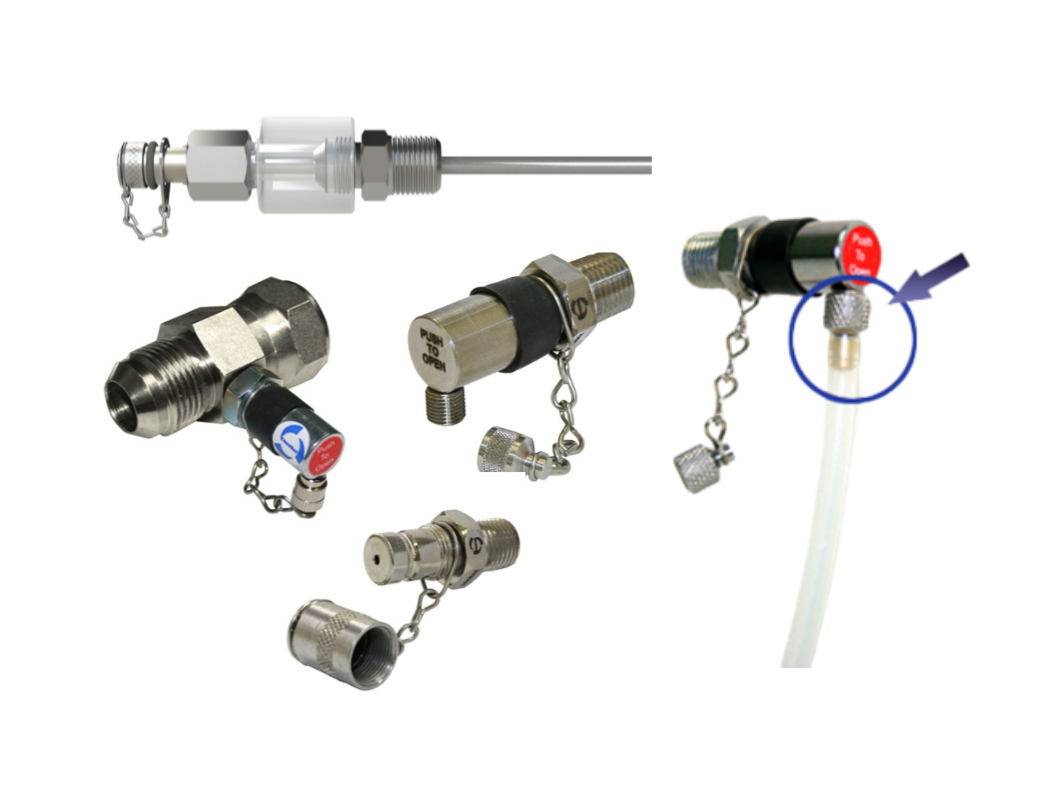
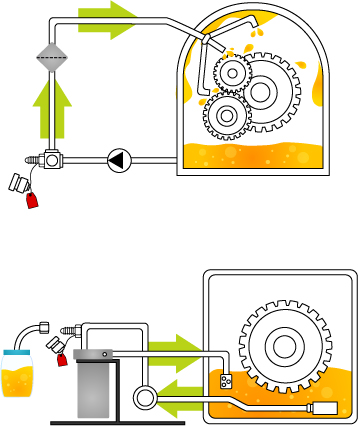
- selecting the correct sampling point,
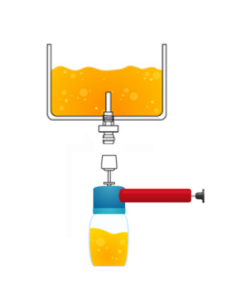
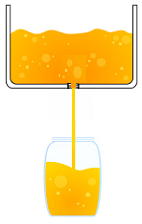
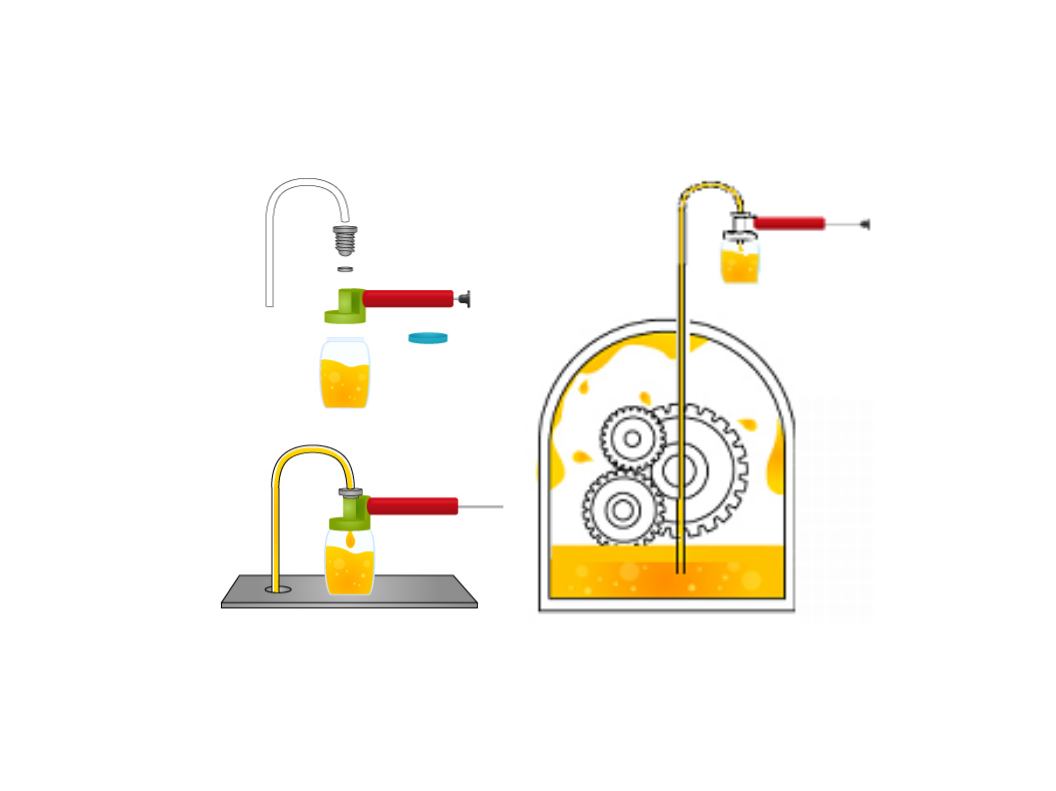
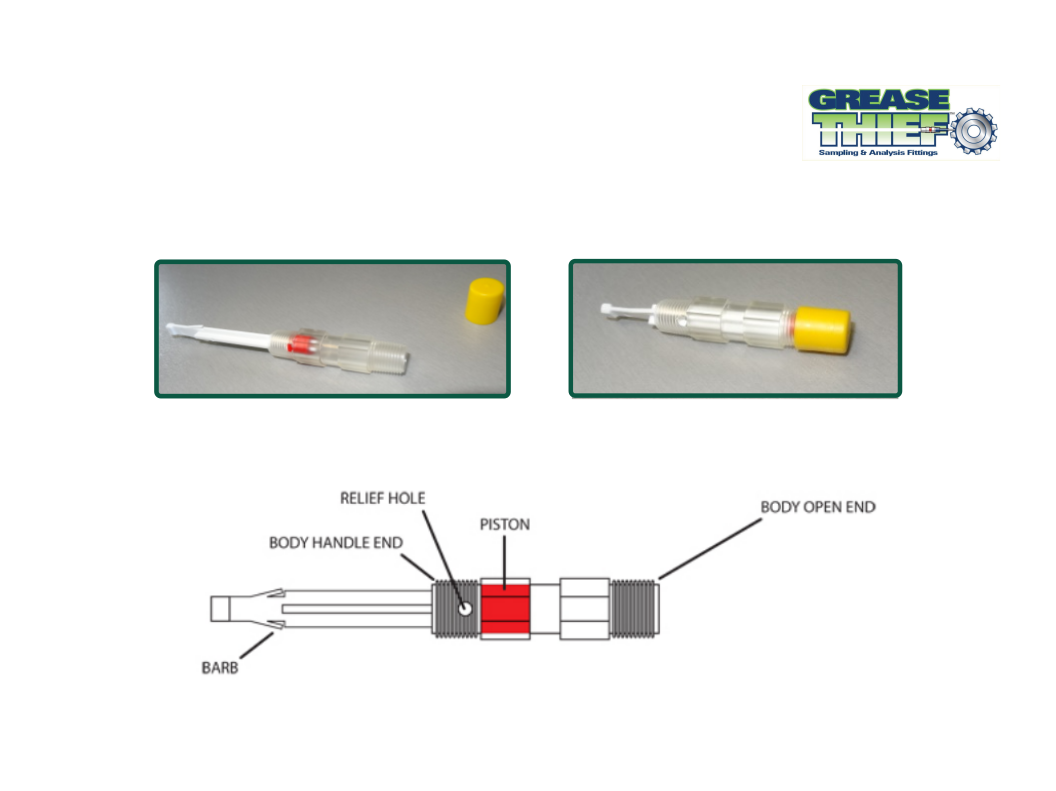
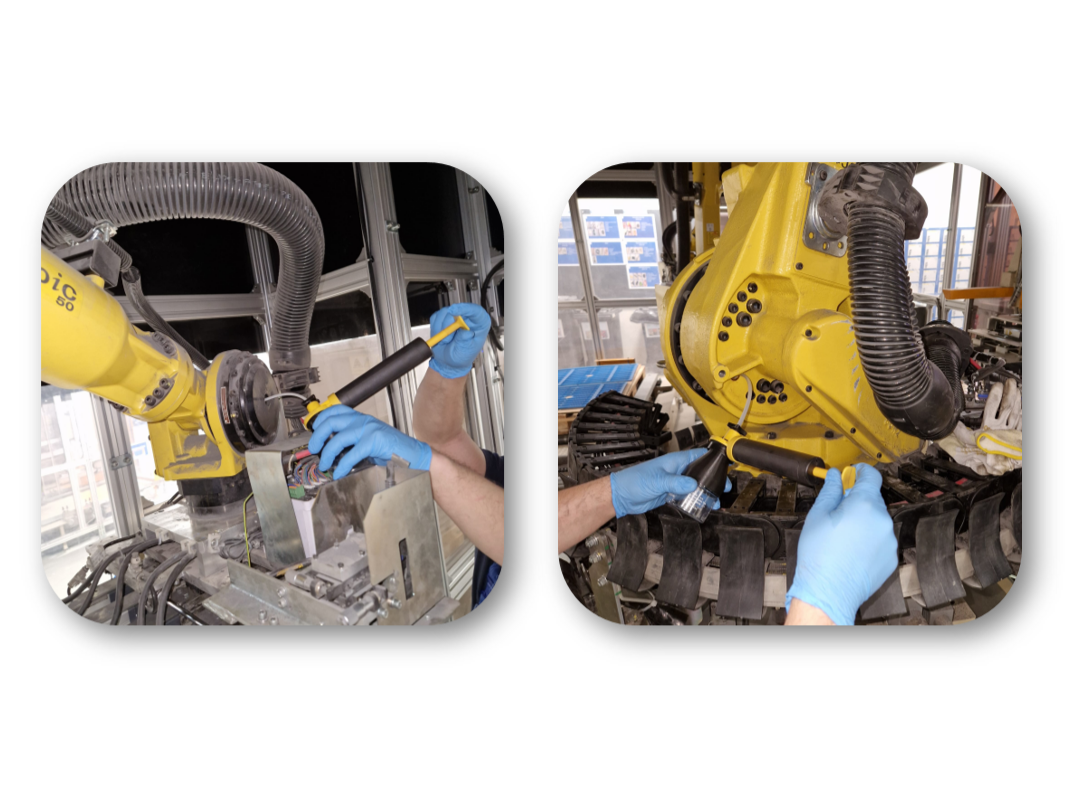
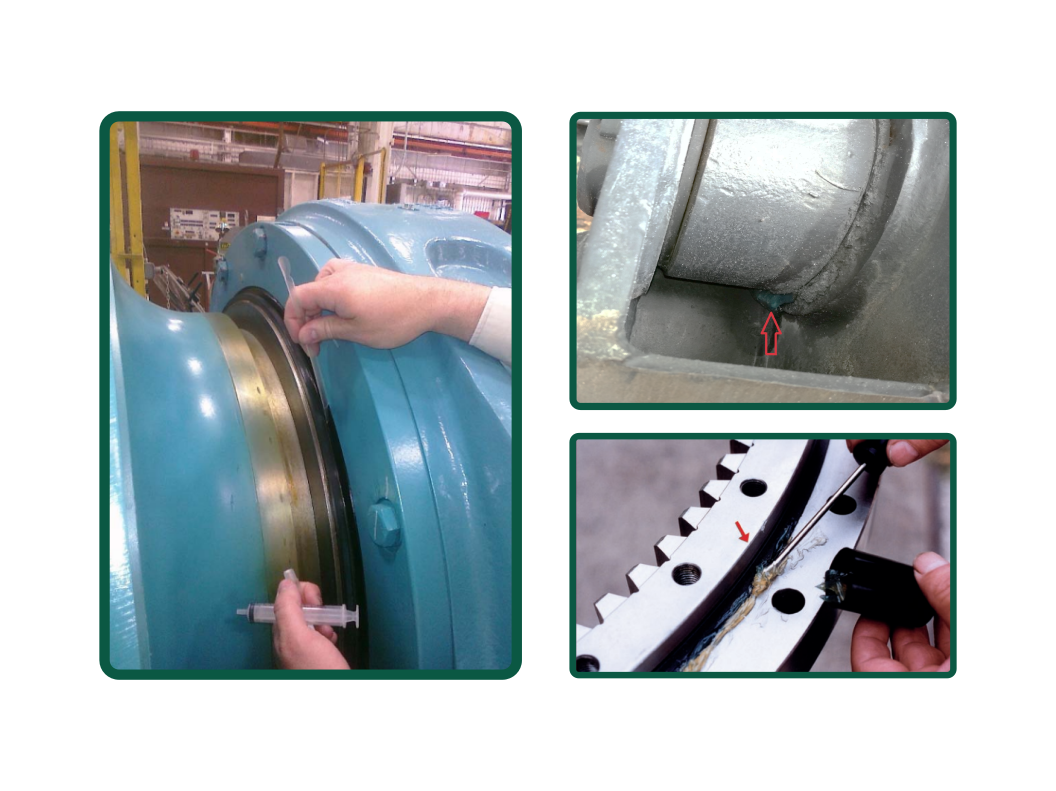
- following the proper sampling procedure,
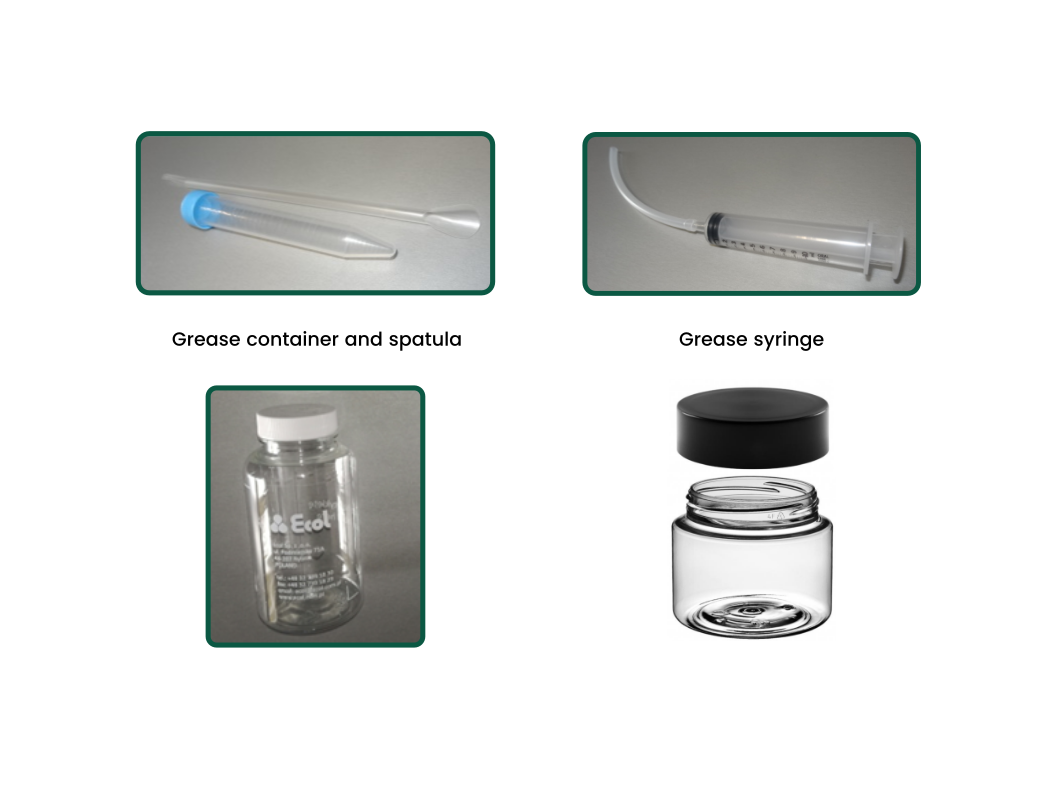
- ensuring the cleanliness of containers and equipment,
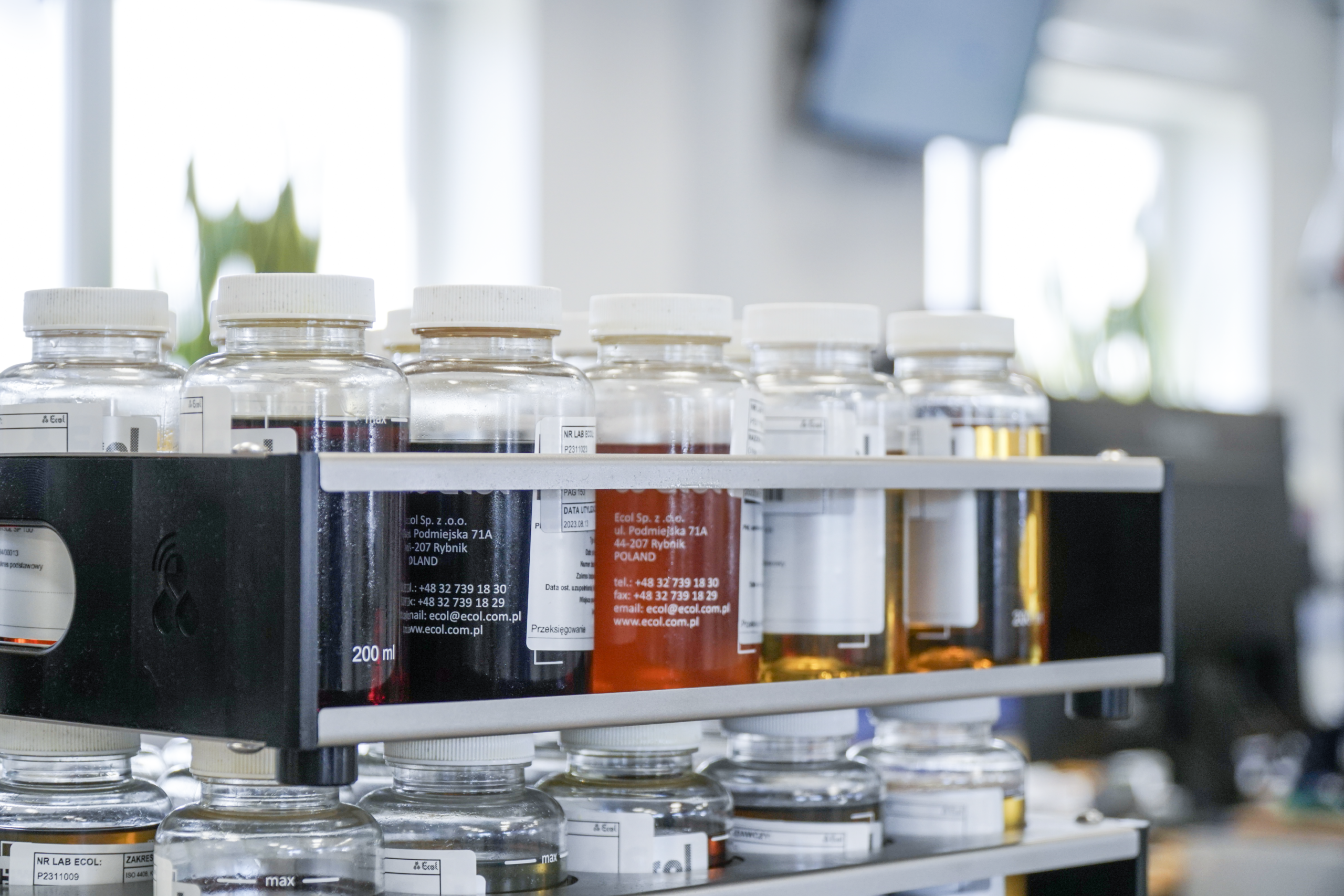
- delivering the sample to the laboratory without delay,
- choosing the appropriate test package,
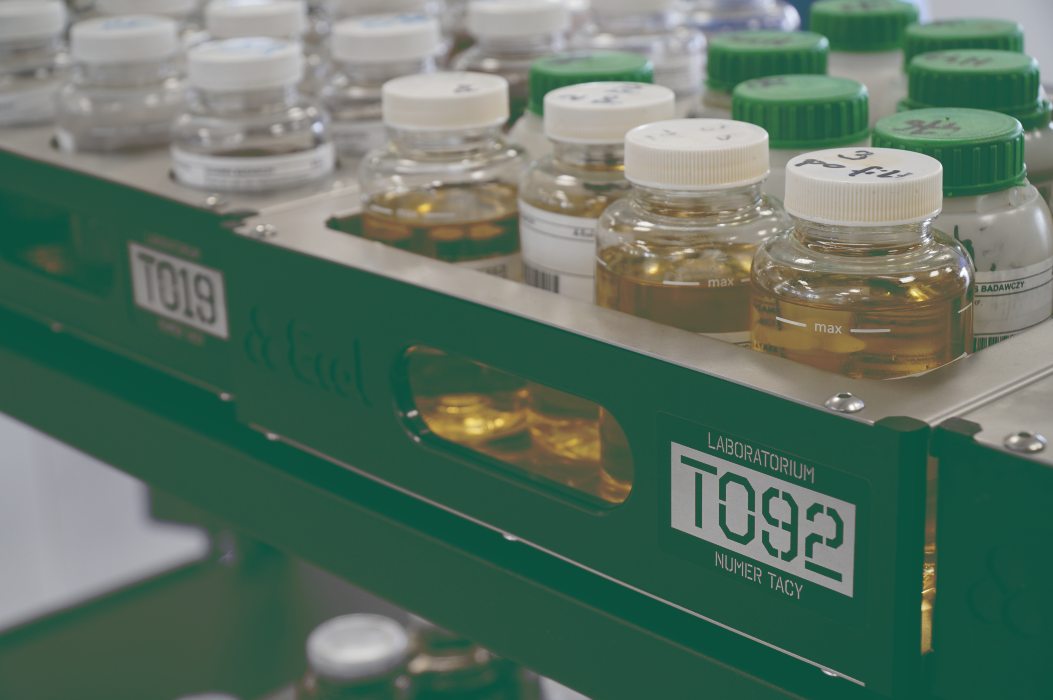
- proper sample preparation in the laboratory,
- using high-purity reagents and solvents,
- employing analytical equipment with a low level of interference,
- applying the appropriate standards and calibration procedures,
- involving competent and properly trained laboratory personnel,
- interpreting the results within the context of the specific application.
Breaking the Chain – Consequences
The absence or failure of any link in the chain may result in:
- incorrect diagnoses,
- inappropriate maintenance decisions,
- unnecessary service costs,
- loss of investment value,
- increased costs associated with failures and downtime.